







Quick Answer: A business citation is any online mention of your name, address and phone number. When those details match everywhere, customers and search engines can trust them. When they conflict, both have to guess.
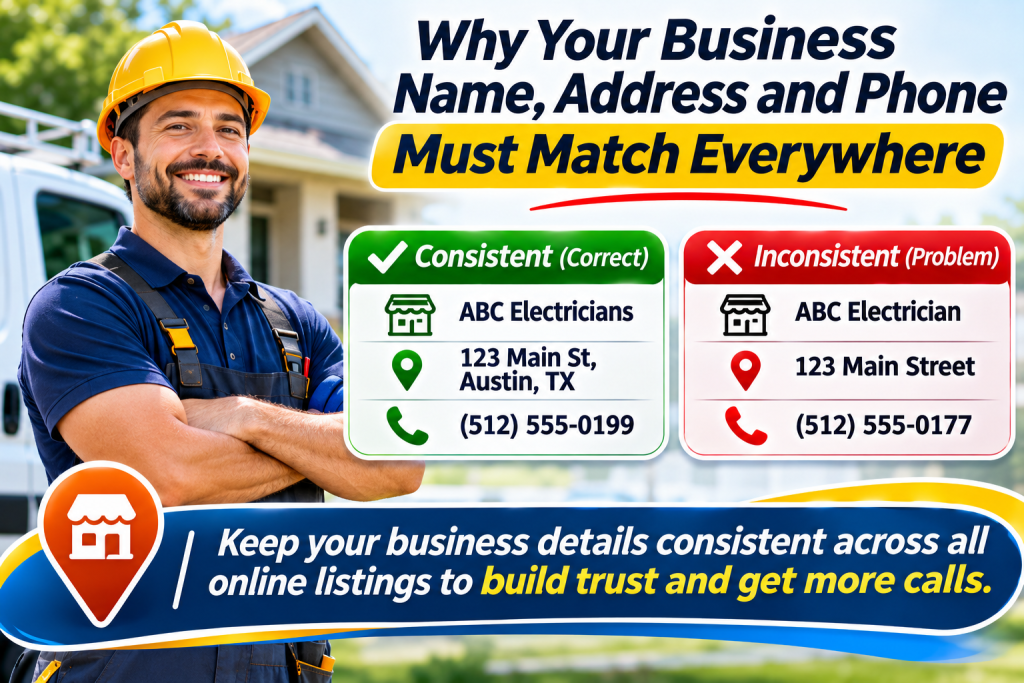
Picture an electrician who moved from a small strip-mall unit to a larger shop across town two years ago. The website shows the new address, but an old directory profile still points to the empty storefront, and a third listing carries a phone number that was disconnected last spring. A homeowner with a tripped breaker will not call twice. They call the next electrician on the list. Mismatched business details rarely cause a dramatic failure. They quietly cost you calls.
What a Business Citation Actually Is
A business citation is any online mention of your company’s name, address and phone number, often shortened to NAP. Citations appear on directories, map apps, social profiles, industry associations and local news sites. Some include a link to your website, and many do not.
Search engines and AI assistants read these mentions to confirm that a business is real, where it operates and how to reach it. Google says its local results are based mainly on relevance, distance and prominence, and its Business Profile guidance notes that complete, accurate information makes a business easier to match with the right searches.
Where Inconsistencies Usually Come From
Most citation problems are not typos. They are leftovers from normal business changes:
- A move, a new suite number or a rebrand that only reached some listings
- Profiles created years ago by a former employee or marketing agency
- Listings generated automatically from outdated public records
- Call-tracking numbers that replaced your main line on a few sites
Small formatting differences, such as “Street” versus “St.”, are usually harmless. Different phone numbers, old addresses and duplicate profiles are the ones worth fixing first.
A Simple Cleanup Routine
Start by writing one master record: your exact business name, full address, main phone number, website and hours. Every listing should match it. Next, search your business name along with any old phone numbers and addresses to find profiles you forgot about.
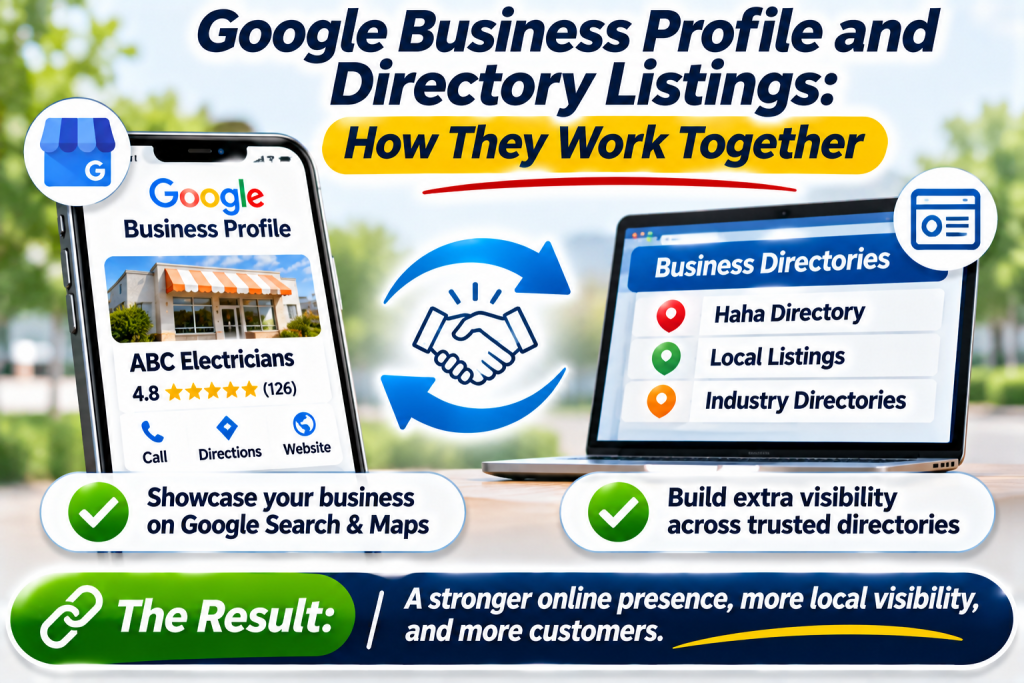
Fix the most visible platforms first, including Google Business Profile, Apple Business Connect, Bing Places and the directories your customers actually use. Keep logins in a shared spreadsheet so the next update takes minutes, not days. Being listed in the right section matters too. HaHa Directory’s Electricians category groups local electrical contractors so homeowners comparing options can see your current name, number and service area side by side.
Make Consistency a Habit
Citation accuracy is maintenance, not a one-time project. Set a reminder to review your main listings every quarter and any time your phone number, address or hours change. Start this week with the master record, then work through your listings one at a time, including your HaHa Directory profile. Accurate details will not guarantee more calls, but wrong ones can easily cost you some.
Frequently Asked Questions
Does "Street" versus "St." count as an inconsistency?
Usually not. Search engines are good at recognizing common abbreviations, so "Street" and "St." or "Suite" and "Ste." are treated as the same address. Pick one format for your master record and use it going forward, but spend your cleanup time on bigger problems such as old addresses, wrong phone numbers and duplicate profiles.
Should I use a call-tracking number on directory listings?
You can, but do it carefully. Many local marketers list the main business number as the primary phone and add the tracking number only where a platform offers a separate field for it. If a tracking number replaces your main line everywhere, your citations stop matching, and an expired tracking line can leave customers with no way to reach you.
How long does it take for corrected listings to update?
It varies by platform. Some directories show changes right away, while others review edits before publishing them. Data passed between sites through aggregators can take several weeks to settle. Keep a dated log of each correction so you can recheck it later and spot listings that reverted to old information.
What should I do about a duplicate listing I cannot access?
Look for a "claim this business" or "suggest an edit" option on the listing first. If that fails, contact the platform's support team and explain that the profile duplicates your verified business. Provide proof such as a utility bill or business license if asked. Avoid creating yet another listing, because that adds a third conflicting version.